
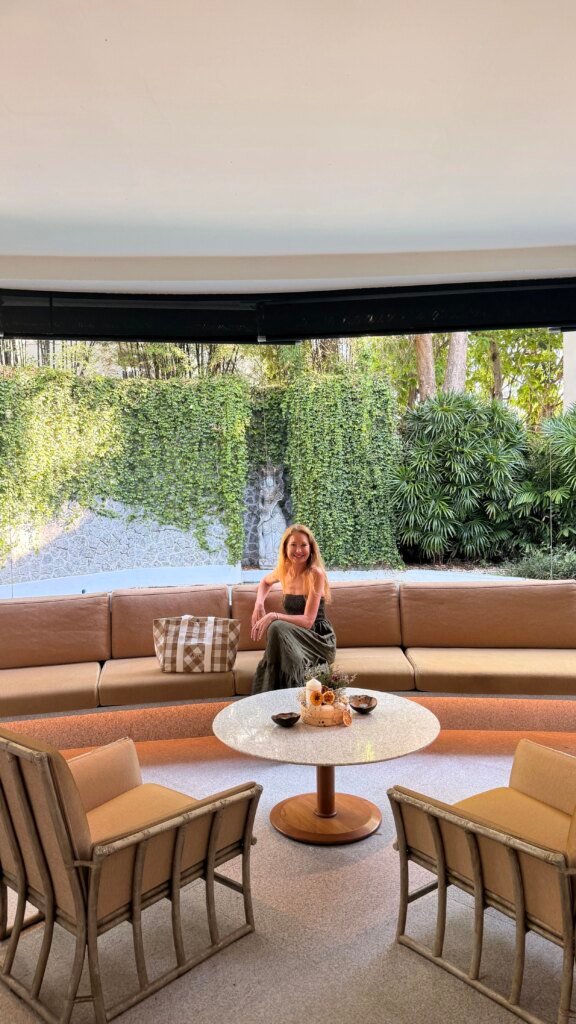
She distinguishes between a holiday and a structured wellness retreat: “A holiday is primarily about enjoyment and escape. A structured retreat is designed to support deeper restoration. You move out of stress mode and into repair mode.”
When you are in a state of chronic stress, your body is in a ‘sympathetic’ state (fight or flight). A retreat uses specific modalities, such as hydrotherapy, breathwork, and clinical nutrition, to shift you into a ‘parasympathetic’ state (rest and digest).
“My clarity, creativity, and leadership are directly connected to how supported and regulated my nervous system feels,” says Alison. “When you’re constantly in output mode, your thinking can gradually become narrower. Wellness retreats create the space for an expansive perspective.”
Indulgence or Strategy?
For many, spending money or taking time away from the office triggers feelings of guilt. Alison’s perspective is a powerful antidote:
“As a business owner, my clarity, energy, and decision-making are the foundation of everything I build. If those elements are depleted, the business eventually feels it too.”
When retreats are reframed as strategic wellbeing, the investment makes perfect sense. Greater clarity and renewed creativity have a ripple effect across both professional and personal life. Alison shared that some of her most significant business pivots have followed periods where she intentionally stepped away long enough to see the bigger picture.
Choosing the Right Retreat
Not all retreats offer the same experience, which is why choosing the right one can make a meaningful difference to your recovery. Different destinations specialise in different areas of wellbeing:
-
Longevity & Preventative Health: Focuses on medical diagnostics, cellular health, and long-term vitality.
-
Nervous System Recovery: Ideal for those experiencing high-level stress, focusing on sleep, cortisol reduction, and emotional reset.
-
Performance Optimisation: Designed for those who want to “level up” their physical and mental edge.
Alison tends to gravitate towards programs that support long-term wellbeing through movement, restorative therapies, and nutrition. She is particularly drawn to destinations like Chiva-Som in Thailand or RXV Wellness Village, which integrate scientific insight with traditional healing practices. Rather than following a rigid, one-size-fits-all program, guests receive guidance based on their individual health, lifestyle, and goals.
Preparing for and Integrating the Experience
To get the most value out of a retreat, Alison believes the preparation begins before you even leave home. However, the true test of a retreat’s success is how the experience integrates into your life once you return to your desk.
The Pre-Retreat Reset
“The preparation is almost part of the reset process,” Alison says. She suggests:
-
Mental Clearing: Organising work commitments and setting clear communication boundaries early so you can fully step into the experience without distraction.
-
Intentionality: Deciding whether you are going for physical recovery, an emotional reset, or simply “space to think.”
-
Tapering Off: Gradually reducing caffeine or digital intake a few days prior to arrival to avoid “withdrawal” symptoms during your first few days of rest.
