
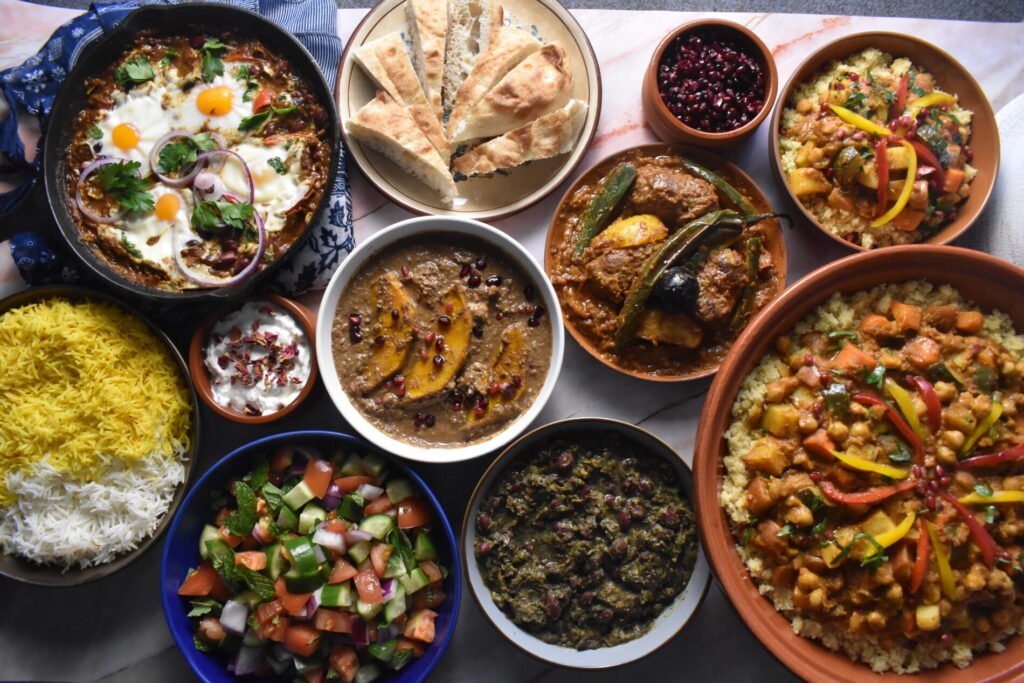
Food has always been one of the most powerful ways we connect
Across cultures, generations, and lived experiences. For Gilava Pour, founder of Ballarat-based Exotic Bazaar, food is both a personal expression of heritage and a bridge between communities.
As Ramadan becomes increasingly visible in mainstream Australia, Gilava’s work feels especially timely. Through beautifully crafted Middle Eastern meal bases and the world’s first packaged Persian Love Cake baking kit, Exotic Bazaar invites Australians into stories of culture, ritual, and shared tables.
In this conversation, Gilava reflects on her journey into business, the deeper meaning of Ramadan, and why food — particularly in uncertain times — remains one of our most grounding and generous ways to come together.
ORIGINS & INSPIRATION
Take us back to the beginning. What first inspired you to start Exotic Bazaar, and was there a defining moment when you realised food could be your way of building something meaningful?
I started Exotic Bazaar because I kept seeing the same gap in Australian supermarkets. People loved the idea of Middle Eastern food, but the recipes felt complicated, the ingredients felt unfamiliar, and the confidence just was not there. I knew how rich and comforting these flavours are, and I wanted to make them feel easy and normal in everyday Australian kitchens.
The defining moment was realising that when someone cooks a dish from a culture they thought they “didn’t get”, something shifts. It is not just dinner. It is curiosity turning into respect. That is when I knew food could be my way of building something meaningful, a brand that helps people cross borders without needing a passport.
You’ve said that Exotic Bazaar is about more than flavour — it’s about connection. How did your personal background and lived experience shape that vision?
I migrated to Australia in 2008, and like a lot of migrants, I learned what it feels like to be both fully part of a country and still carrying another home inside you. For me, food has always been the most natural way to share that inner world without needing to explain it. You can taste something and instantly understand warmth, generosity, celebration, comfort.
That lived experience shaped everything about Exotic Bazaar. I do not want the Middle East to feel “far away” or “mysterious” to people here. I want it to feel like an invitation. Come in, try this, make it yours, and let it bring people together around your table.
Starting a food business in regional Victoria isn’t the most obvious path. What has Ballarat given you as a founder, and how has it influenced the way you build community around your brand?
Ballarat has given me something I did not expect: real closeness. People here show up. They support local. They talk to you at markets, message you when they cook something for the first time, and genuinely want you to win. That kind of community changes you as a founder because you stop building for a faceless “customer” and start building for people you actually know.
It has also kept me grounded. When you are in a regional city, your brand has to be real, not hype. You cannot hide behind big-city noise. You have to deliver, stay consistent, and build trust the slow way, which is the best way.
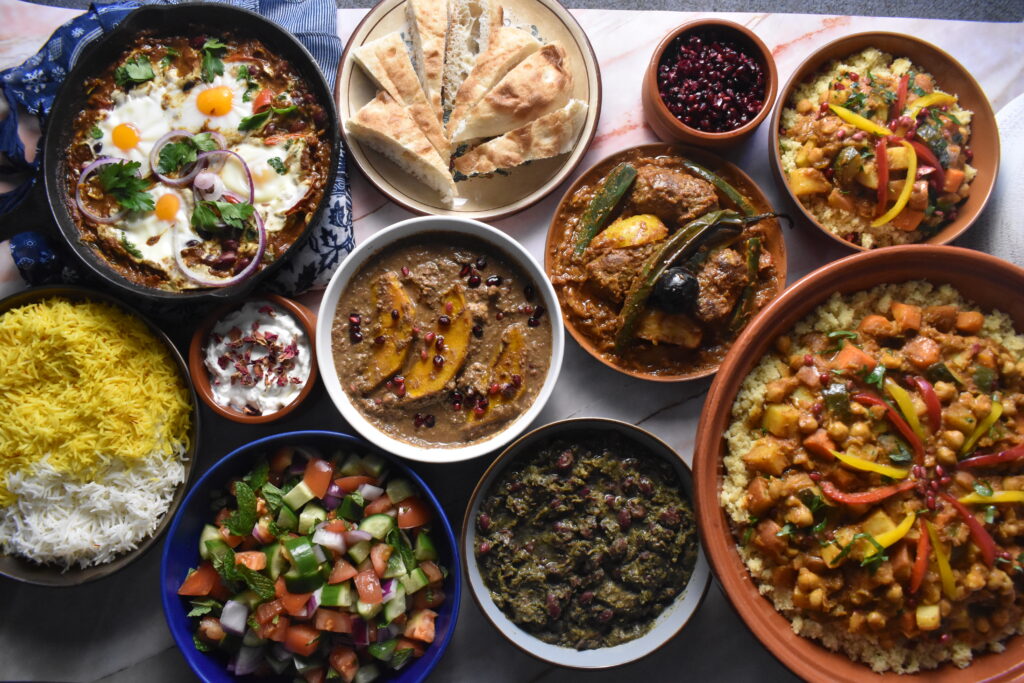
FOOD AS A BRIDGE BETWEEN CULTURES
Middle Eastern food is deeply communal. What do you think food does that language sometimes can’t, especially when it comes to understanding other cultures?
Food bypasses the debate and goes straight to the human part. You do not need the right words, the right background, or the perfect understanding to sit down and share a meal. When someone cooks your food, they are doing something intimate. They are giving time, attention, and care, and that creates connection faster than any explanation can.
Food also carries values. Hospitality, generosity, family, celebration, resilience. You can feel those things in how a meal is served and shared. That is why food is such a powerful bridge.
Many Australians may be experiencing Middle Eastern flavours for the first time through your products. What do you hope they feel when they cook one of your meal bases or bake the Persian Love Cake at home?
I hope they feel proud of themselves. Like, “Wait… I made this?” I want it to feel exciting but not intimidating, bold but still comforting. A little moment of travel on a weeknight, with flavours that feel new but somehow familiar.
And I hope it becomes a shared experience, not a solo one. The best reactions I get are when people tell me they cooked it for friends, or for their kids, or for someone who has never tried these flavours before, and suddenly everyone is talking and laughing and going back for seconds.
In a time when global events can feel heavy and close to home, why do you think shared meals and shared tables matter more than ever?
Because the world can make people feel powerless, and the table is one place where we still have agency. You can feed someone. You can create safety for an hour. You can choose generosity even when everything feels tense.
Shared meals remind us that most people want the same things: dignity, peace, family, and a sense of belonging. When we eat together, it becomes harder to reduce each other to headlines.
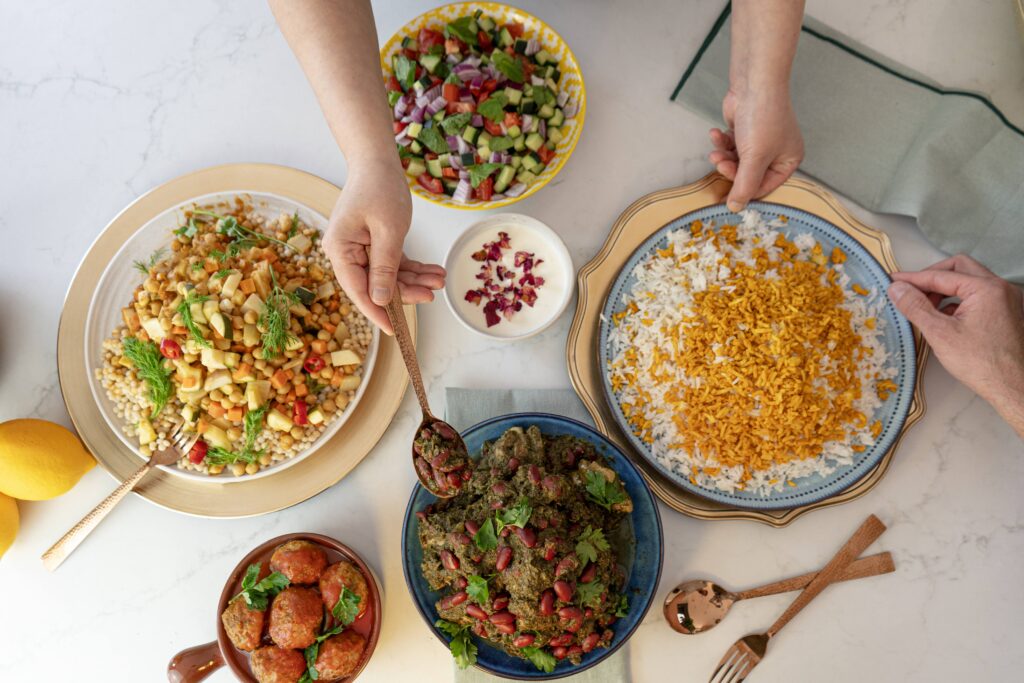
BRINGING RAMADAN INTO AUSTRALIAN HOMES
As a founder, it is also a moment of pride because it proves that multicultural food is not niche. It belongs in the centre of Australian life, because Australian life is multicultural.
As a founder, this moment feels big because it’s proof that the “multicultural aisle” shouldn’t be a side corner people visit once in a while. These flavours are already part of how Australians eat today, at home, at work, at dinner parties, at school lunches. When a major retailer makes space for that on a national shelf, it sends a clear message: this is not an add-on to Australian culture, it’s part of it.
It also matters on a human level. For people from migrant backgrounds, seeing your food represented in a mainstream place is a quiet kind of validation. And for everyone else, it makes curiosity easier, less intimidating, more normal. That’s the win for me: it helps everyday Australians discover each other through food, and it makes belonging feel practical, not political.
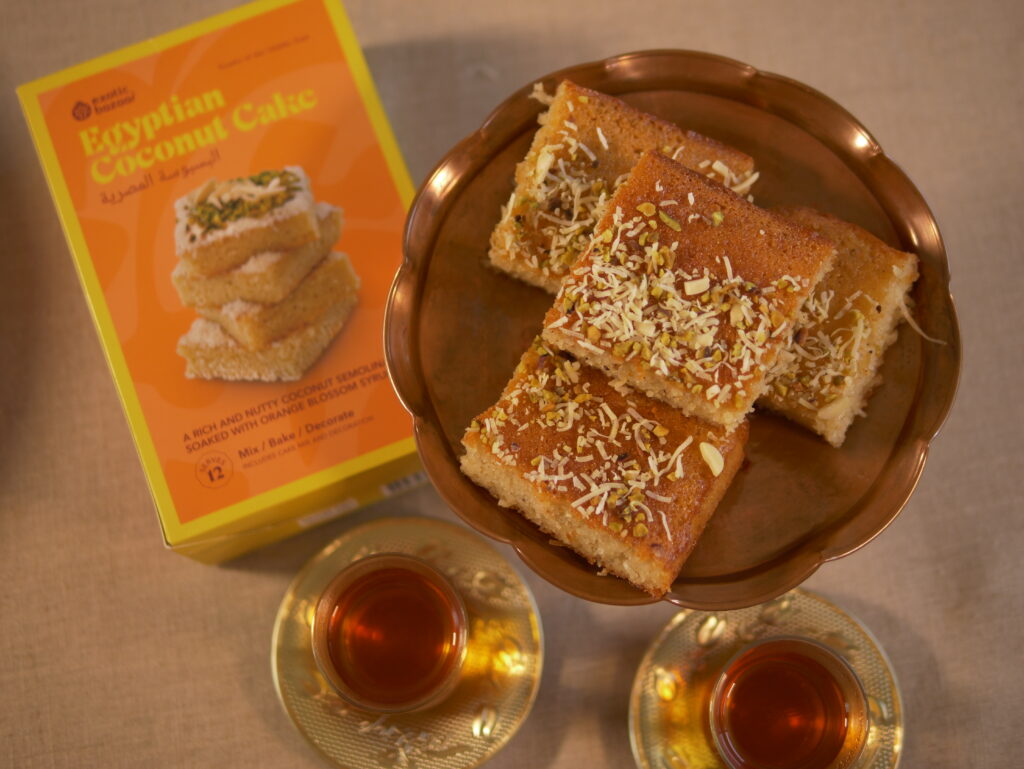
The Persian Love Cake is such a beautiful expression of culture, story, and celebration. Can you share the story behind it and why it felt important to make it accessible to Australian households?
Persian Love Cake is one of those desserts that feels like romance and comfort at the same time. The flavours are floral and fragrant, and it is the kind of cake that turns a normal afternoon into something a bit special. It carries the feeling of Persian hospitality: make it beautiful, make it generous, and make it something people remember.
I wanted to make it accessible because I know how many people love the idea of baking something cultural but do not want a complicated ingredient hunt. A kit removes the barriers while keeping the experience. You still get that “wow” moment, and you get to share a story through flavour.
If someone who has never observed Ramadan before wanted to honour it in a simple, respectful way, what would you suggest — especially through food or gathering?
Keep it simple and sincere. Invite someone over, or share food with a neighbour, or bring a dessert to a friend who is fasting. Ask curious questions with respect. You do not need to perform anything, you just need to show care.
If you want a food idea, make something comforting and shareable, a stew, a tray bake, a beautiful cake, and create a table where people can relax and feel welcome. The spirit is generosity and connection.
CONNECTION, COMMUNITY & PURPOSE
You often speak about food as a tool for connection across all backgrounds. What has surprised you most about how people have responded to Exotic Bazaar?
How emotional it gets, in the best way. I expected people to like the flavours. I did not expect messages from people saying, “This tastes like my childhood,” or “I cooked this and my family finally sat down together,” or “I never thought I could make this, but I did.”
I am constantly surprised by how open Australians are when you make the entry point easy. When you remove the intimidation, curiosity takes over.
Have there been any moments — customer stories, conversations, or experiences — that have deeply affirmed why you do this work?
Yes. The stories where food becomes a bridge inside families. A parent cooking with a teenager and having a real conversation. A couple making a dish together instead of eating separately. Someone bringing a meal base to a dinner party and suddenly the whole table is talking about culture, travel, and family recipes.
Those moments remind me that this work is not just about selling food. It is about giving people a way to connect, with others and with themselves.
Looking ahead, how do you hope Exotic Bazaar continues to contribute to conversations around culture, belonging, and shared humanity in Australia?
I want Exotic Bazaar to keep making culture feel approachable, not intimidating. I want more people to see multicultural food as part of their weekly rhythm, not something they only eat at a restaurant or on a special occasion.
And I want the brand to keep standing for something bigger than trends: the belief that everyday choices, like what we cook and who we share it with, can soften divisions and build community.
QUICK FIRE
A dish that feels like home to you
Persian Walnut Chicken (Fesenjoon). It is comfort, nostalgia, everything.
A spice you couldn’t live without
North African Harissa Blend. It is the hero in so many of my home-cooked dishes.
The best conversations happen around…
A table with seconds on offer and no one rushing.
One thing you wish more people understood about Middle Eastern culture
It is incredibly diverse. One “Middle Eastern” label cannot capture it.
Food, to you, is ultimately about…
Beringing people together. Which is the Exotic Bazaar mission: To bring people together through a shared love of food
Visit Exotic Bazzar to learn more.
