
Serbia has never had an embassy in the Philippines. For years that meant scanning documents to Jakarta, wiring money to an Indonesian bank, then couriering your actual passport there and waiting. Plenty of Filipinos did it. You do not have to any more, and almost nobody writing about this in English has caught up.
Here is the current, checked position on the Serbia visa for Filipinos: you do need one, unless you already hold a specific kind of visa. The fee, the documents and the route have all moved since most guides were last updated, including our own 2022 guide to this visa. I live in Serbia and I have watched kababayan go through this. Here is what it actually looks like in 2026.
Some links below are affiliate links. If you book through one we earn a small commission at no extra cost to you, which is what keeps guides like this updated. We only link to things we would point a friend towards.
The short answer for Philippine passport holders
Yes, a Philippine passport needs a visa for Serbia. The Serbian Ministry of Foreign Affairs lists the Philippines under visas required, and that covers ordinary, diplomatic and official passports alike.
There is one large exception. If you already hold a valid Schengen, UK, EU member state or United States visa, or a residence permit from a Schengen country, an EU country or the US, you can enter Serbia without applying for anything. You get up to 90 days within any 180, for as long as that visa or permit stays valid.
Everything else in short form:
- Visa type for a holiday: Visa C, up to 90 days within any 180 days from first entry.
- Visa type if you plan to stay: Visa D, between 90 and 180 days. You need this one if you intend to apply for temporary residence later.
- Fee: EUR 90 for Visa C, EUR 50 for Visa D, paid in Serbian dinars. About PHP 6,540 and PHP 3,630.
- Where you apply: online at welcometoserbia.gov.rs. There is no Serbian embassy in the Philippines, and you no longer need one.
- When you can apply: no earlier than three months before you travel.
- Proof of funds at the border: EUR 50 per day of your stay, about PHP 3,630 a day.
When you do not need a Serbia visa at all
Read this part twice. It is where most Filipinos either save themselves PHP 6,500 and three weeks, or wrongly assume they are covered.
The rule comes from a Serbian government decision of 30 October 2014. Holders of any national passport carrying a valid Schengen, UK, EU member state or United States visa, or holding a residence permit in the Schengen area, the EU or the US, may enter, transit and stay up to 90 days in a six month period without applying for a Serbian visa first.
What that means in practice for a Philippine passport:
- A live US B1/B2 counts, and it is the single easiest way in for most Filipinos.
- A valid Schengen visa counts, even if you have already used it.
- A UK visa counts.
- A residence permit from any Schengen or EU country counts, as does a US green card.
- A Japan visa does not count. Neither does Korea, China, Canada or Australia. They are not on the list, however good your travel history is.
Two details catch people out at check-in. You may travel on two passports, an expired one carrying the valid visa plus your current valid one, and Serbia accepts this. And if your residence permit is a separate card rather than a sticker, you still have to present your valid passport when you enter.
If you are working out which door your existing visa opens, we have the wider lists too: every country you can visit on a multiple entry US visa with a Philippine passport, and the countries Filipinos can enter on a valid EU visa.
Visa C or Visa D: which one you actually need
Serbia issues two, and picking wrong costs you the application.
Visa C is the short stay visa. Up to 90 days within any 180 day period from first entry, for tourism, business or private visits, issued for one, two or multiple entries. Serbian law is explicit that a Visa C shall not be grounds to apply for temporary residence, unless the law says otherwise in a specific case.
Visa D is the long stay visa, between 90 and 180 days, issued on grounds such as employment, education or family reunification. If you need a visa to enter Serbia and intend to apply for temporary residence once there, Visa D is the one you have to obtain.
People still fall for this. Someone arrives on a tourist visa, falls for the place, and finds out at month two that the document in their passport cannot become residence. If staying is even a possibility, sort it out before you fly.
Documents required for a Serbia tourist visa
This list comes from the Serbian government’s own foreigners portal, last updated on 11 September 2026.
- Completed visa application form. Filled in on the portal. There is no form to print, sign and post.
- Valid passport. Read this one carefully. It must have been issued within the previous 10 years, be valid for at least 90 days after your intended departure from Serbia, and have at least two consecutive blank pages.
- Photo, 3.5 x 4.5 cm.
- Invitation letter for a private visit, or proof of accommodation or an itinerary from a travel agency for a tourist visit.
- Travel medical insurance, adequate and valid for the period of stay. SafetyWing covers this and shows the policy limit clearly, which is what you need to attach.
- Proof of financial means for your stay.
- Flight reservation, or your driving licence and vehicle insurance if you are coming by car.
- Proof of visa fee payment. Your application only reaches the competent authority once the fee is paid and recorded.
Officers can also ask for evidence that you intend to go home again: a certificate of employment or study, or proof of civil or family status. Two items quietly cause most of the trouble.
The invitation letter, if a person in Serbia is inviting you, is not something they type and email over. It has to state that they accept the costs of your stay and, if it comes to it, your removal from Serbia. It needs your details, their details and their reason for inviting you. Then it must be verified by the competent document verification authority, which in practice means a notary or the municipality. A plain letter gets the application rejected.
The passport age rule catches Filipinos more than most, because a Philippine passport runs ten years for adults. If yours was issued nine years and change ago it fails, even though it has not expired. Check the issue date, not the expiry.
For the accommodation proof, a refundable hotel booking is enough. Compare places to stay in Belgrade with free cancellation so you have a confirmation to attach without committing money you may not spend.
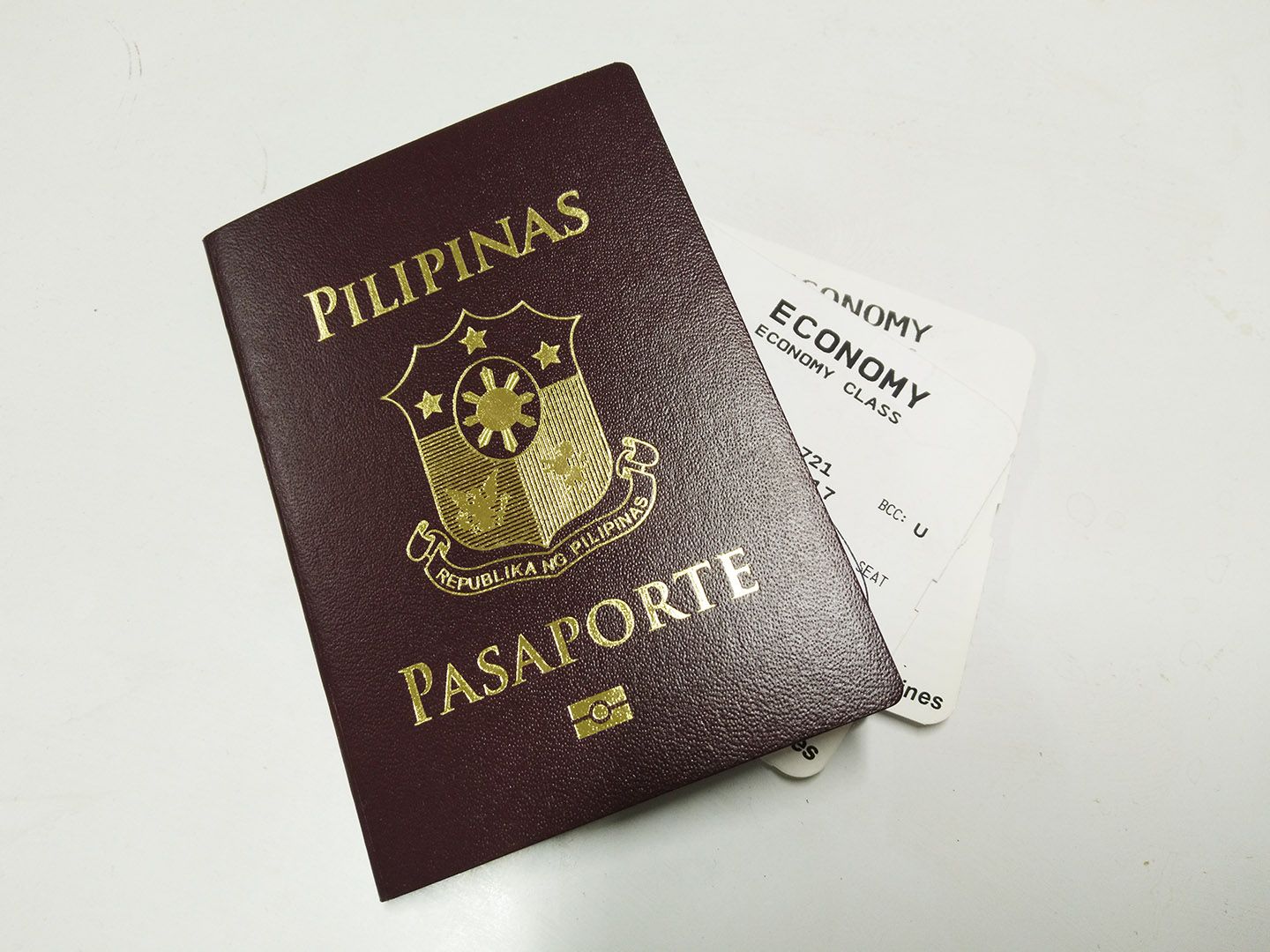
What a Serbia visa costs a Filipino in 2026
The rate used here is EUR 1 to PHP 72.68, checked on 12 September 2026. Convert again before you budget, because the peso moves.
| Item | Cost | In pesos |
|---|---|---|
| Visa C fee | EUR 90 | about PHP 6,540 |
| Visa D fee | EUR 50 | about PHP 3,630 |
| Temporary residence approval | RSD 23,450 | about PHP 14,530 |
| Single residence and work permit | RSD 22,770 | about PHP 14,100 |
| Travel medical insurance | varies | from roughly PHP 2,500 for two weeks |
| Proof of funds you must show | EUR 50 per day | about PHP 3,630 per day |
| Manila to Belgrade, one way | PHP 27,916 to 40,972 | as quoted |
Two things about the fee that nobody explains. It is quoted in euros but paid in Serbian dinars, converted at the National Bank of Serbia middle exchange rate on the day, so the peso figure moves slightly with two currencies rather than one. And there are fee exemptions, though not ones that help us: holders of Chinese, Armenian, Malian and Syrian passports pay nothing, under bilateral agreements. Philippine passport holders pay the full EUR 90. All of this is published on the government portal’s own help page, which is the figure to trust over any blog, including this one, if the two ever disagree.
Insurance is worth its own line. Serbia does not just want to see a policy at the application stage: border officers can ask for one covering at least EUR 20,000, about PHP 1.45 million of cover. A standard Philippine HMO card does not do this.
How to apply in 2026, and what changed
This is the section that makes every other Filipino guide to this visa out of date, ours included until today.
You no longer post your passport to Indonesia. The application is filled in online at welcometoserbia.gov.rs, through an account on Serbia’s electronic identification portal, eid.gov.rs. Since 23 April 2025 Serbia has also issued visas in electronic form, called Digital Travel Authorizations, and the same portal handles Visa C, Visa D and temporary residence.
Three rules that are easy to miss:
- You can apply no earlier than three months before your planned travel date.
- Only applicants 18 or older can file through the portal. An application for a minor has to be made in person to the competent authority.
- If other people are recorded in your passport, such as your children, each one needs a separate application.
Whether you walk away with a fully electronic visa or a sticker depends on your nationality. Serbia enabled the electronic short-stay visa for nationals of certain countries only. If yours is not among them, the application is still filed online, but once it is approved you contact the Serbian mission handling your case to arrange getting your passport to them for the sticker. In some cases they ask you to come in person.
Before you start, run Serbia’s own My Entry, Visa and Residence Guide. Enter Philippines, regular national passport, your length of stay and your reason for travelling, and it gives you the tailored official answer in about thirty seconds. It is the only source that is current by definition, and it is free.
Getting to Belgrade from Manila
There is no direct flight and there never has been. Every route is at least one stop, through Dubai, Doha or Istanbul, or via Guangzhou if you are willing to add a Chinese transit. Reckon on 18 hours at best. Checking Trip.com’s Philippine site on 12 September 2026, one way fares sat between PHP 27,916 and PHP 40,972, cheapest on Sundays and mid-week.
Each hub has its own transit rules for a Philippine passport, so check before booking the cheapest option. And if you are flying on the visa exemption, carry both passports and expect check-in to take longer.
Check current Manila to Belgrade fares
If Serbia is one stop on a longer Balkan trip, our guide to travelling around the Balkans with visa tips for Filipinos covers how the neighbours treat a Philippine passport, which is not the same answer everywhere.
At the border, and your first 24 hours in Serbia
Having a visa is not the same as being admitted, and Serbia publishes its entry rules in more detail than most countries.
You need a valid travel document, the visa if your passport requires one, and proof of sufficient funds, which Serbia defines as EUR 50 per day of stay, in cash or on a bank statement. For ten days that is EUR 500, roughly PHP 36,300. It is a published figure, not an officer’s judgement call, so you can prepare for it exactly.
Officers may also ask to inspect a notarised tourist voucher, a certified invitation letter, a return ticket, proof of paid accommodation, and the insurance policy. Entry can be refused where there is reasonable doubt you will use the visit for a purpose other than the one you declared. That is why the boring documents matter: a certificate of employment and a return ticket answer that without you saying a word.
See what cover costs for your trip dates
Then there is the rule nobody mentions, the one that causes an unpleasant conversation at the airport on the way out. Every foreigner’s stay in Serbia has to be registered with the authorities within 24 hours. In a hotel, hostel or booked apartment the provider does it for you through the eTourist system and you never see it happen. If you are staying with a friend or family, the person hosting you is legally obliged to register you, within the same 24 hours.
That second case is the Filipino case more often than not, because a lot of us come to visit someone. Tell your host before you arrive, not after. It is done through the eAdministration portal, so it is not a day lost queuing, but it does have to happen.
Any established property handles this as routine. Look at places in Stari Grad, central Belgrade, walking distance from most of what you came for.
All of it is easier with data in hand before you clear the airport. A Serbian eSIM through Airalo gets you online the moment you land, which matters when you need to message your host about registration. Once the paperwork is behind you, our list of things to do in Belgrade is the better use of your attention.
If you want to stay: Visa D and temporary residence
Plenty of Filipinos arrive for two weeks and start doing sums on the flight home. Living costs are low by European standards, the country sits next to Schengen without being in it, and the internet is fast. The route is not complicated, but it is strict about order. You need a Visa D first, because a tourist visa cannot become residence. Then you apply for temporary residence, which since the portal launched can also be filed electronically. If the plan involves working for a Serbian employer, there is now a single permit for temporary residence and work, issued for up to 36 months and applied for exclusively online, though the employer has to run a labour market test before it can proceed. The government fees are published in dinars: RSD 23,450 for temporary residence approval, about PHP 14,530, and RSD 22,770 for the single permit, about PHP 14,100. Residence based on marriage or kinship with a Serbian citizen is half price at RSD 11,725.
What surprises Filipinos is not the Serbian side. It is ours. Residence applications need documents only the Philippines can issue: PSA civil registry certificates, NBI clearance, DFA apostille on each one, then certified translation into Serbian. Every step has its own queue in Manila, and those queues do not care that you are already in Belgrade. Collect them while you are still home. Anyone who has chased a fresh NBI clearance from 9,000 kilometres away will tell you the same.
If the paperwork side of relocating is where you get stuck, this is the work I do outside the blog. Rodi Solutions handles Serbian visas, residence and the Philippine document trail that goes with them, and I will tell you honestly when something is simple enough to do yourself. Plenty of it is.
Weighing Serbia against somewhere with a purpose built remote work route? Compare it with the digital nomad visas a Philippine passport holder can actually get in 2026.
Frequently asked questions
Do Filipinos need a visa for Serbia?
Yes. The Serbian Ministry of Foreign Affairs lists the Philippines as visa required for all passport types. The exception is if you hold a valid Schengen, UK, EU member state or US visa, or a residence permit in the Schengen area, the EU or the US, which lets you enter for up to 90 days in 180 without applying.
Can I apply for a Serbia visa online from the Philippines?
Yes. The application is filled in online at welcometoserbia.gov.rs using an account on eid.gov.rs, and you can file it no earlier than three months before you travel. Whether you receive a fully electronic visa or a sticker depends on your nationality, and Serbia decides that rather than you.
How much does a Serbia visa cost for Filipinos?
EUR 90 for a short-stay Visa C, about PHP 6,540, and EUR 50 for a long-stay Visa D, about PHP 3,630. Both are paid in Serbian dinars at the National Bank of Serbia middle rate on the day. Only Chinese, Armenian, Malian and Syrian passport holders are exempt from the fee.
How much money do I need to show?
EUR 50 per day of stay, in cash or on a bank statement. That is about PHP 3,630 a day, so roughly PHP 36,300 for ten days.
Is there a Serbian embassy in the Philippines?
No, and for the application itself you do not need one, since it is filed online. The Serbian Embassy in Jakarta covers the Philippines on a non-resident basis. There is also an honorary consulate in Makati, at the BCS Prime Building on Chino Roces Avenue Extension, useful as a local contact point rather than a place that issues visas.
Can I turn my tourist visa into residence once I am in Serbia?
No. Serbian law states that a Visa C is not grounds to apply for temporary residence unless the law provides otherwise. If you intend to apply for residence, you need a Visa D before you travel.
One last thing
Serbia is not a hard country to get into. It has an outdated reputation, kept alive by guides that stopped being updated years ago. The fee is moderate, the document list is short by European standards, and plenty of Filipinos reading this already hold the US or Schengen visa that makes the application unnecessary.
Check your passport issue date, check what visas are already in it, then run the government guide rather than trusting a blog. Come in spring or early autumn, bring something warmer than you think you need, and say yes when someone offers you rakija.
About the Author
Bianca Rei is a Filipino traveler, entrepreneur, and problem-solver who has called Serbia home for many years. She has been following Two Monkeys Travel Group since 2014, back when she was simply a reader dreaming, traveling, and collecting stories of her own, so being able to contribute to the blog now feels a little like coming full circle.
Bianca runs Rodi Solutions, where she helps people and businesses navigate life and business in Serbia, alongside website design, development, and management. When she is not working, she is usually traveling, boxing, chasing another adventure, or spending time with her family.
Find her work at rodi.consulting, or get to know her beyond work at biancarei.net.
