
by Lola Marks
Travel opens doors to new experiences and fresh perspectives, yet the journey itself can test your calm. What if you could pack a simple tool to ease these stressors and make the good moments even better? Aromatherapy does just that. Essential oil products with natural plant extracts can fit easily in your carry-on and provide real support for your mind and body throughout your trip.
What Is Aromatherapy?
The Cleveland Clinic describes Aramatherapy as “the use of essential oils to improve your health or well-being.” According to the Clinic, Aromatherapy taps into concentrated plant extracts to support your physical and emotional health. Known as essential oils, these extracts come from flowers, leaves, roots and other plant parts.
According to the University of Pittsburgh, Aromatherapy can help if you are depressed. When you inhale an essential oil, its molecules enter your nose and stimulate the nervous system sending messages to your brain that can influence your mood, stress levels and even physical sensations.
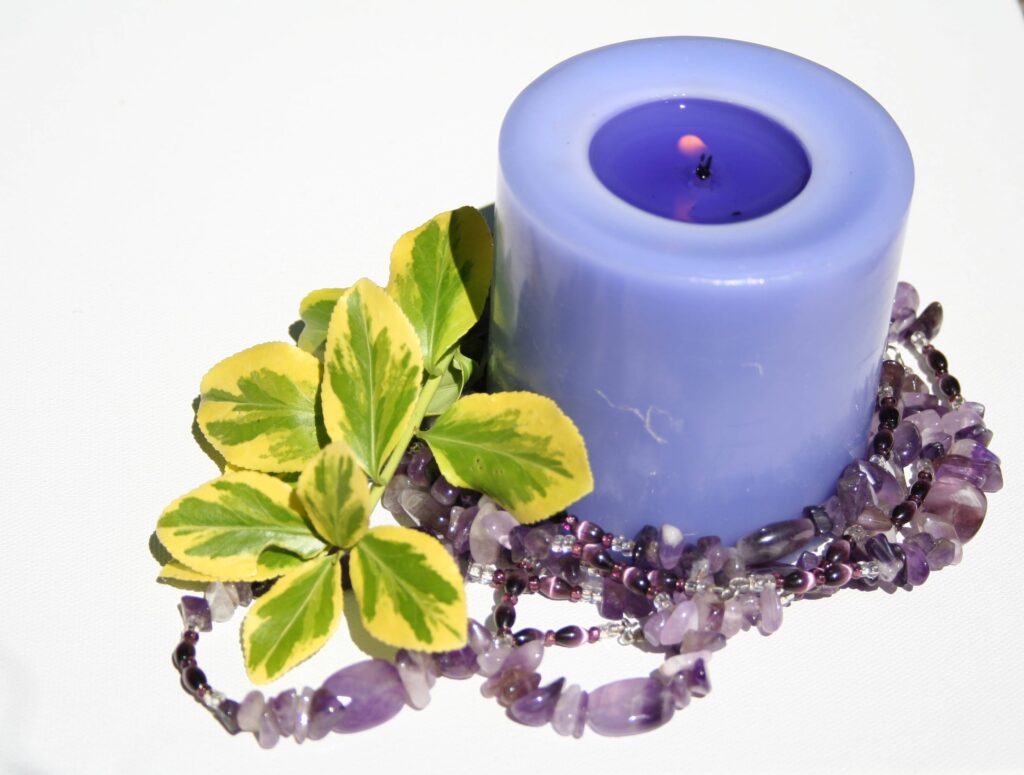
You can use essential oils in several ways during travel. For quick relief, inhale directly from the bottle, or you can add a few drops to a tissue or cotton ball. Some travelers also use personal diffusers or apply diluted oils to pulse points for longer-lasting effects. Essential oils can also be found in candles.
The Science Behind Scent, Memory and Mood
Scent operates differently from your other senses. While sight and sound take indirect routes through your brain, smell connects directly to your limbic system. It is important for emotional processing, which is why a single whiff can instantly transport you to a childhood memory or shift your mood.
Scents also work because, once again according to the University of Pittsburgh, the olfactory nerve directly engages the amygdala, which connects to the parts of your brain that release the chemicals that create feelings and are crucial to memory. The nerves in your olfactory bulb that process smells directly activate your amygdala, which is how a scent can bring back a specific memory. That demonstrates why aromatherapy can quickly and powerfully influence your mental state.
For travelers, the science translates to real benefits, making aromatherapy useful when anxious thoughts spiral in chaotic places like airports or crowded tourist sites.
Building Your Essential Oil Travel Toolkit
A personalized aromatherapy kit changes how you experience your trip. Select three to five essential oils that address your specific needs, and you’ll have a small collection that fits in your toiletry bag and handles most challenges on the road.
Soothe Common Travel Stressors
Of all the essential oils you could pack, lavender deserves a spot in your bag. When security lines feel overwhelming, or turbulence rattles your nerves, a few deep breaths with lavender ground you and quiet anxious thoughts.
Sleep also often suffers when you’re in unfamiliar beds and shifting time zones, leaving you drained and moody. Using calming scents like lavender or chamomile as part of your bedtime routine signals to your body that it’s time to rest, while the familiar scent helps you fall asleep even in new surroundings.
Enhance Your Destination Experience
Aromatherapy does more than manage stress and sleep issues on the road. Uplifting scents like orange or lemon can give you natural energy during long sightseeing days, and a quick inhale before exploring a new neighborhood can lift your mood.
Many travelers struggle with motion sickness during their adventures, too. Peppermint or ginger essential oils can offer relief without drowsiness, so keep them handy during car rides, boat tours or winding mountain drives. A small roll-on bottle in your day bag means you’re always prepared.
How to Use Aromatherapy Safely on Your Trip
Natural does not mean without risk, especially with essential oils that pack intense plant compounds into tiny bottles. Never apply them directly to your skin, or you risk irritation, redness and allergic reactions from the high concentration.
As the National Capital Poison Center points out, essential oils can be poisonous if misused. According to the Center, safe use starts with diluting them in a carrier oil before any topical application. This reduces the concentration to levels your skin can handle. Most blends work well with one to two drops of essential oil per teaspoon of carrier oil.
Before using a new oil blend on your trip, perform a patch test by applying a small amount to the inside of your forearm and waiting 24 hours. Catching a skin reaction or sensitivity at home beats discovering it when you’re far from your usual products and routines.
Creating a Lasting Scent Memory
The scent-memory connection offers travelers a unique gift. Choose a new essential oil or blend specifically for your trip — something you have not used before to create a fresh sensory association.
Use your chosen scent during the most meaningful moments of your journey. You might inhale it while watching a sunset, exploring a beautiful garden or enjoying a peaceful morning, allowing your brain to link the scent with these positive experiences.
After you return home, that scent becomes a portal to your vacation. A single inhale can mentally transport you back to those cherished moments, allowing you to relive the emotional warmth and relaxation you felt on the trip.
Take Aromatherapy Products With You Wherever You Go
Aromatherapy products can change travel from potentially stressful to genuinely restorative. With these simple plant extracts, you can manage your well-being anywhere you go. Pack your essential oils alongside your passport and discover how scent can turn your next trip into a true wellness escape.
~ ~ ~ ~ ~
Lola Marks is Senior Editor at Body+Mind
The post Scent-Sational Travel? How Aromatherapy Can Enhance Your Wellness Travels appeared first on Travel To Wellness.
