
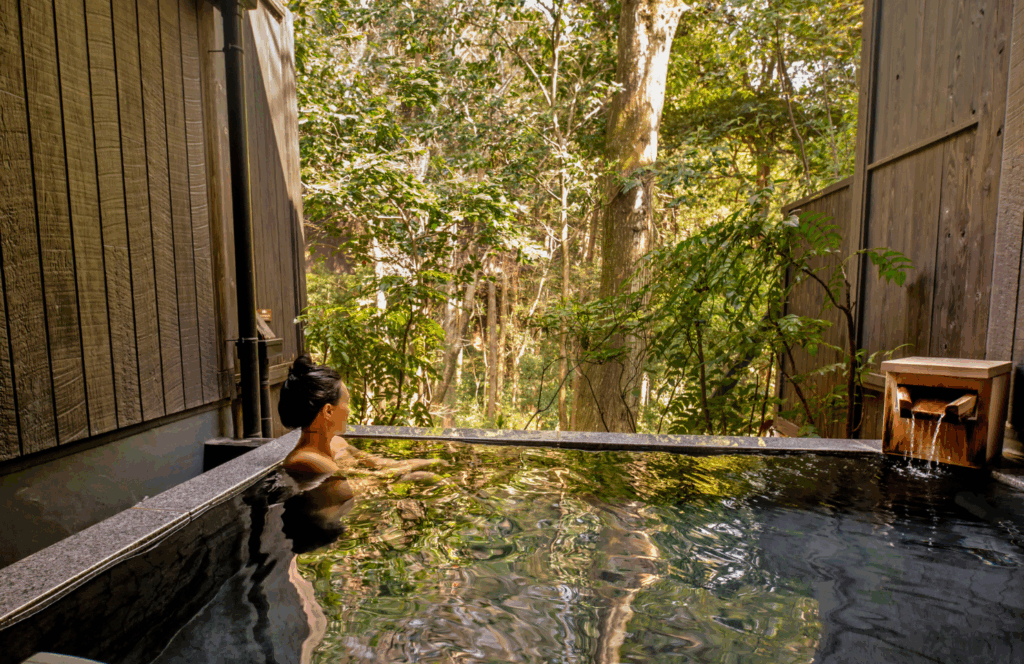
Few countries blend wellness, ritual and landscape as seamlessly as Japan. At the heart of this harmony lies the onsen – a centuries-old bathing tradition shaped by volcanic terrain, mineral-rich waters and a cultural reverence for purification and rest. For wellness-minded travellers, slipping into a steaming onsen is not simply a soothing soak, it is an immersion into one of the world’s most enduring healing practices.
With more than 3,000 natural hot springs scattered across the country, Japan’s onsen regions each carry their own personality – from rustic mountain retreats and snow-dusted forest pools to ocean-facing baths warmed by volcanic heat. And as global wellness travel continues to evolve, the influence of Japanese bathing culture is flowing into today’s modern bathhouses, yet nothing compares to experiencing this tradition at its source.
Before exploring Japan’s most captivating onsen regions, it’s worth understanding the history and cultural foundations that make this practice so meaningful.
A History Steeped in Healing and Ritual
Onsen bathing can be traced back more than a thousand years, when natural hot springs were considered sacred and spiritually purifying. Pilgrims, monks and travellers would journey long distances to bathe in waters believed to soothe fatigue, aid circulation, calm the mind and restore internal balance. Temples and shrines were often built beside springs, reinforcing the belief that these waters were gifts from the earth – places where spirit and body could realign.
Communal bathing also became a symbol of equality – once you enter the water, hierarchy dissolves. This philosophy remains at the centre of Japanese wellness culture today, influencing everything from ryokan hospitality to modern spa rituals around the world.
The Culture and Etiquette Behind the Experience
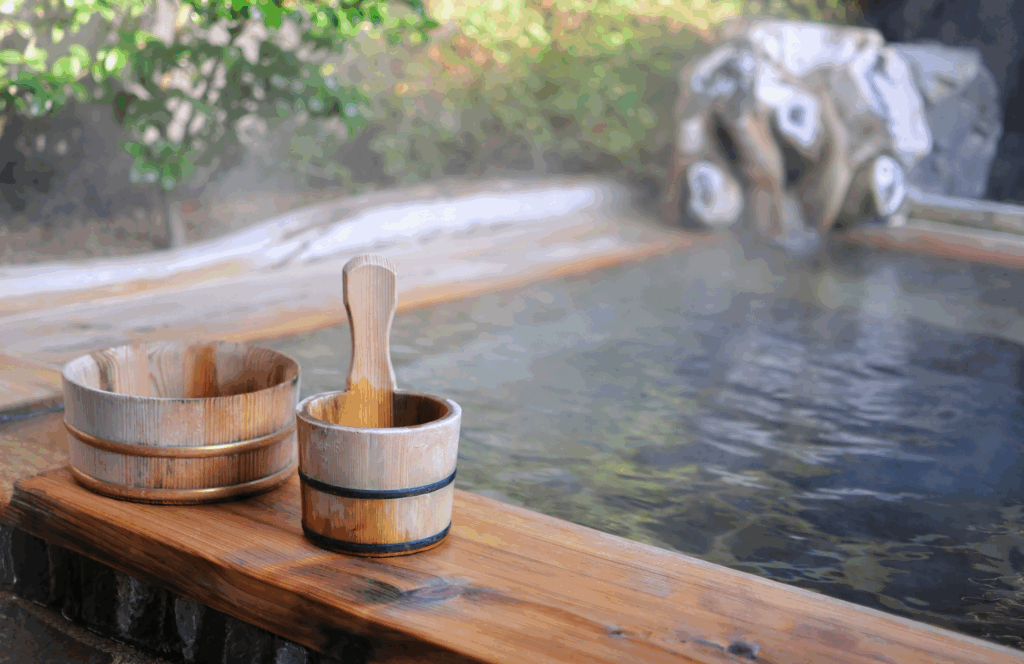
Onsen etiquette is less about rules and more about protecting the serenity and purity of the space. Nudity is standard. Bathers wash thoroughly before entering the water. Modesty towels never touch the spring. Voices remain low. Phones are avoided. And movements are slow and mindful.
These rituals create an atmosphere of simplicity and presence – qualities increasingly sought by travellers looking to reset, reconnect and experience a more intentional style of wellness. For many visitors, the calm and quiet of an onsen becomes just as restorative as the mineral-rich water itself.
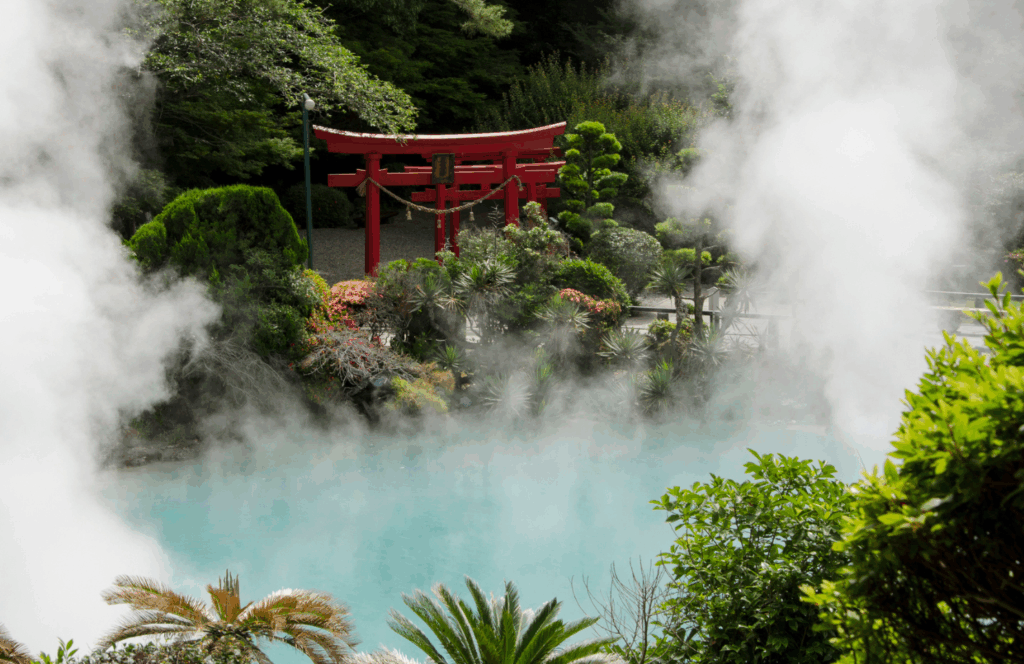
Japan’s Most Remarkable Onsen Destinations
Below are the regions every wellness traveller should know – each shaped by its own landscape, cultural heritage and style of bathing. These aren’t just locations – they are experiences that reveal Japan’s deep relationship with nature and wellbeing.
Kumamoto Prefecture – Kurokawa Onsen
Set among the forested mountains of Kyushu, Kurokawa Onsen is one of Japan’s most beautiful and traditional hot spring villages. Wooden ryokan line narrow paths, steam rises between cedar bathhouses, and outdoor springs sit beside rivers and moss-covered stone. The mineral-rich waters soothe muscles and quiet the mind, making this an ideal destination for travellers seeking slow, nature-immersed restoration.
Akita Prefecture – Nyuto Onsenkyo
Hidden deep within Towada-Hachimantai National Park, Nyuto Onsenkyo is a collection of seven historic inns, some more than 350 years old. Snow transforms the region into a winter wonderland, with open-air baths steaming beside silent forests. In warmer months, lush greenery and shifting seasonal colours frame the springs. Known for its healing mineral waters, Nyuto is a favourite among travellers looking for a deeply traditional, nature-based wellness escape.
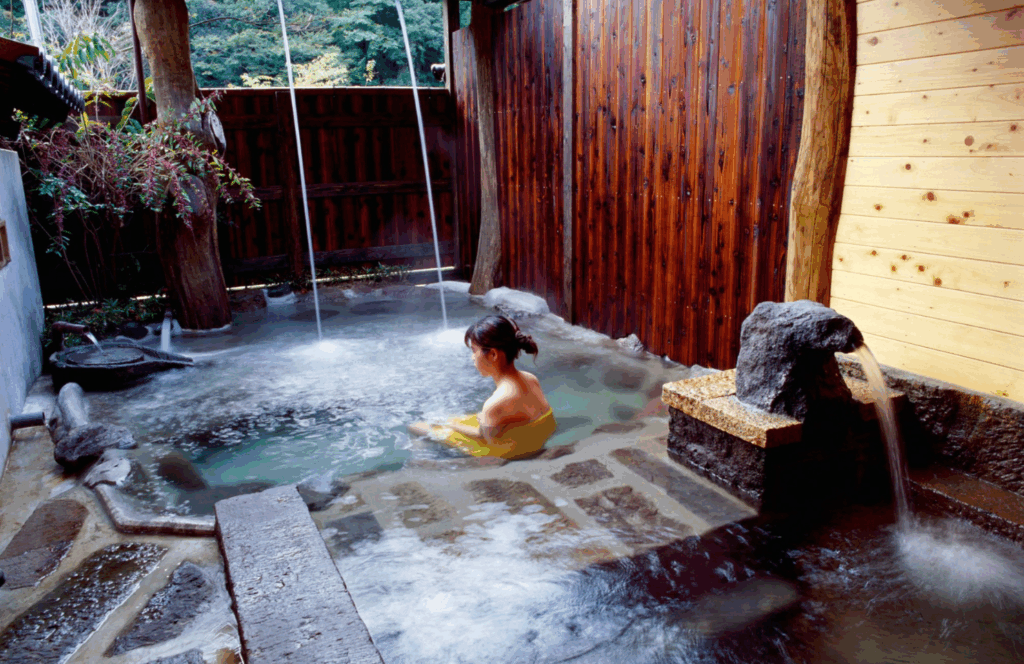
Kagoshima Prefecture – Ibusuki
In Japan’s far south, the volcanic landscape of Kagoshima creates one of the country’s most unique bathing experiences: the natural steam sand baths of Ibusuki. Guests are gently buried in warm volcanic sand, allowing heat to penetrate deeply before rinsing off and soaking in ocean-view springs. The combination of geothermal warmth, sea air and sweeping coastal views makes Ibusuki an unforgettable wellness journey.
Tokushima Prefecture – Iya Onsen
The remote Iya Valley is one of Japan’s most untouched regions, known for vine bridges, plunging gorges and mist-shrouded mountains. Iya Onsen sits halfway down a cliff and is accessed by a cable car that descends into the valley. The riverside baths, surrounded by wild forest and crisp mountain air, create a sense of solitude and serenity that feels almost meditative.
Niigata Prefecture – Matsudai Shibatoge Onsen Unkai
High in the Niigata mountains, Matsudai Shibatoge Onsen Unkai is famously known as the bath above the clouds. At sunrise, a blanket of mist fills the valley below, creating the illusion of floating above a white sea. The high-altitude mineral waters are warming and calming — a perfect reset for travellers exploring Japan’s ski fields or hiking trails.
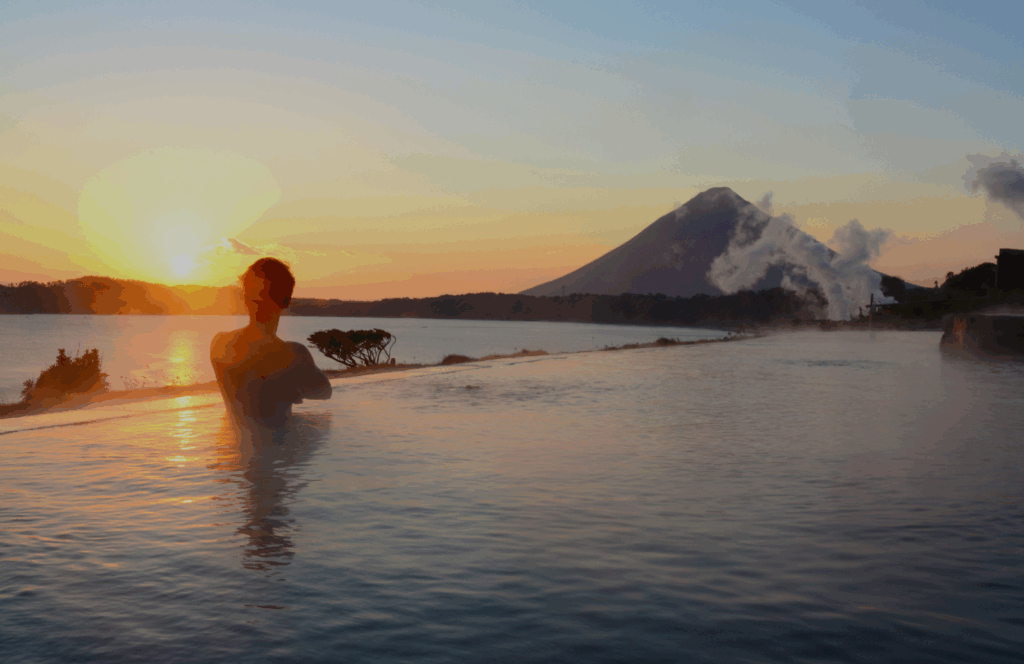
Nagano Prefecture – Nozawa Onsen
A vibrant alpine village with deep onsen heritage, Nozawa Onsen blends ski culture with long-standing bathing traditions. Wooden public bathhouses, maintained by the local community, fill the streets with steam during winter. It’s a lively yet soulful destination where wellness, culture and adventure weave together effortlessly.
Kanagawa Prefecture – Hakone
Close to Tokyo yet immersed in nature, Hakone offers modern ryokan, lakeside views and springs fed by volcanic valleys. It’s one of Japan’s most accessible and diverse onsen regions, making it ideal for first-time visitors. As more facilities become tattoo-friendly, Hakone has become a welcoming, easy gateway into Japan’s bathing culture.
Hyogo Prefecture – Arima Onsen
Above Kobe sits Arima Onsen, one of Japan’s oldest and most historically revered hot spring towns. Its rare mineral waters — the golden iron-rich kinsen and the silver carbonated ginsen – have been valued for centuries. The town blends old-world Japan with modern design, offering a refined, restorative style of wellness travel.
Why an Onsen Belongs on Your Japan Itinerary
If you’re planning a trip to Japan, an onsen experience is one of the most meaningful ways to connect with the country’s wellness traditions. Beyond the beautiful scenery and soothing mineral waters, bathing in an onsen invites you to slow down, breathe deeply and experience a moment of stillness amid your travels. It’s a ritual that aligns the physical with the emotional – grounding, calming and deeply restorative.
For many first-time visitors, the onsen becomes a highlight of their journey not because it is spectacular, but because it offers something increasingly rare: complete presence.
What to Know Before You Go
If the etiquette feels unfamiliar, rest assured – it’s simple once you understand the intention. Shower before entering to keep the waters pure. Leave your modesty towel outside the bath. Keep voices soft to preserve the tranquil ambience. Tattoos may require checking ahead, though many regions are becoming more flexible. And if full communal bathing feels daunting, private baths at ryokan offer a gentle introduction.
Most importantly, approach the experience slowly and respectfully. Onsens are sanctuaries of quiet connection – places where healing and tradition come together. By moving mindfully and honouring the customs, you’ll experience the onsen exactly as it’s meant to be: a space for deep rest, restoration and renewal.
Discover more about these Japanese Wellness Travel destinations HERE
Read more wellness travel articles HERE
